
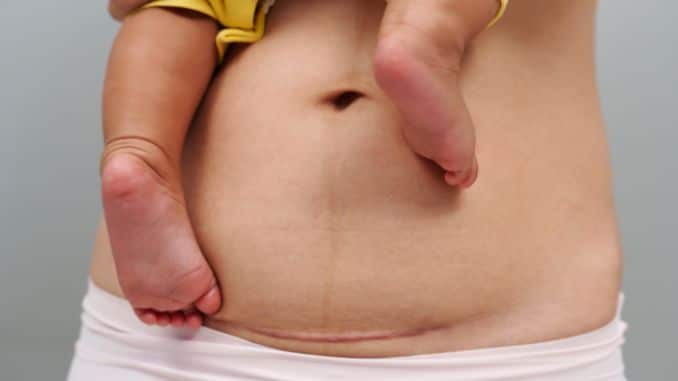
Bringing a new life into the world is powerful, and so is your ability to heal, rebuild, and regain strength through exercise after a c-section following a cesarean delivery [2].
But recovering from a c-section, which is major surgery, means taking thoughtful, deliberate steps when returning to exercise.
Whether you’re itching to move again or unsure where to begin, we’ll walk you through safe, effective strategies to strengthen your core muscles, boost pelvic floor function, and avoid setbacks.
But first, let’s dive into how to actually start exercising after a c-section, including beginner-friendly movements you can do right now.
Medical Disclaimer: The information in this blog is for educational purposes only and is not intended to replace professional medical advice. The content in this post is not meant to substitute for a professional medical diagnosis, advice, or treatment. Consult your healthcare provider for personalized advice before beginning postpartum exercises or treatments.
Step-by-Step: Gentle Exercises to Begin After a C-Section
These movements are designed to ease you back into fitness, safely support your abdominal muscles and pelvic floor muscles, and restore core stability.
1. Pelvic Tilting (Seated, Standing, or Lying Down)
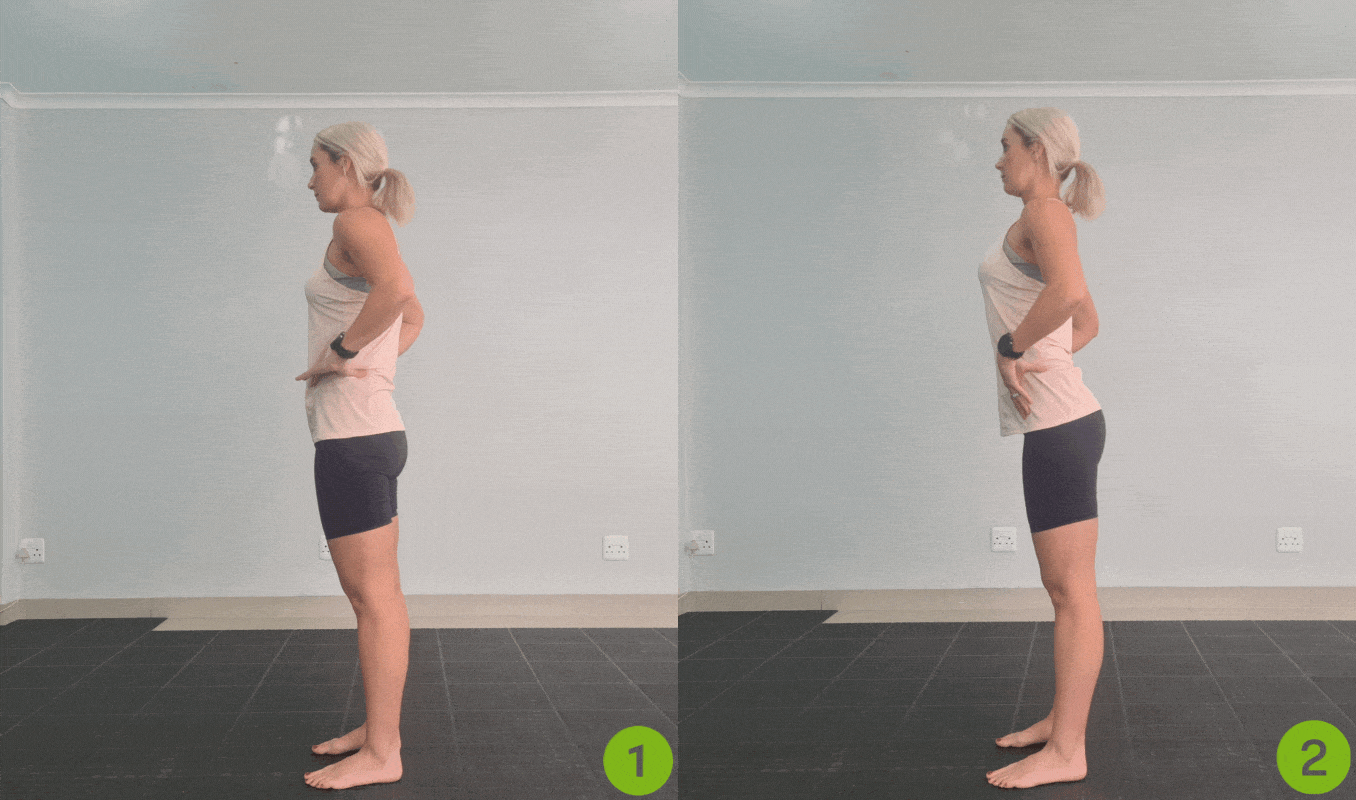
- Stand upright with feet shoulder-width apart, maintaining good alignment with your head, shoulders, hips, and legs.
- Place your hands on your hips.
- Squeeze your pelvic floor muscles and then tilt your pelvis back.
- Hold the position for a couple of seconds.
- Relax and repeat the movement for 10 repetitions.
Target: Abdominal wall, lower back.
Tip: Begin this daily as early as a few days postpartum (with doctor’s approval), unless you feel pain or tingling near the incision site.
2. Pelvic Floor (Kegel) Exercises
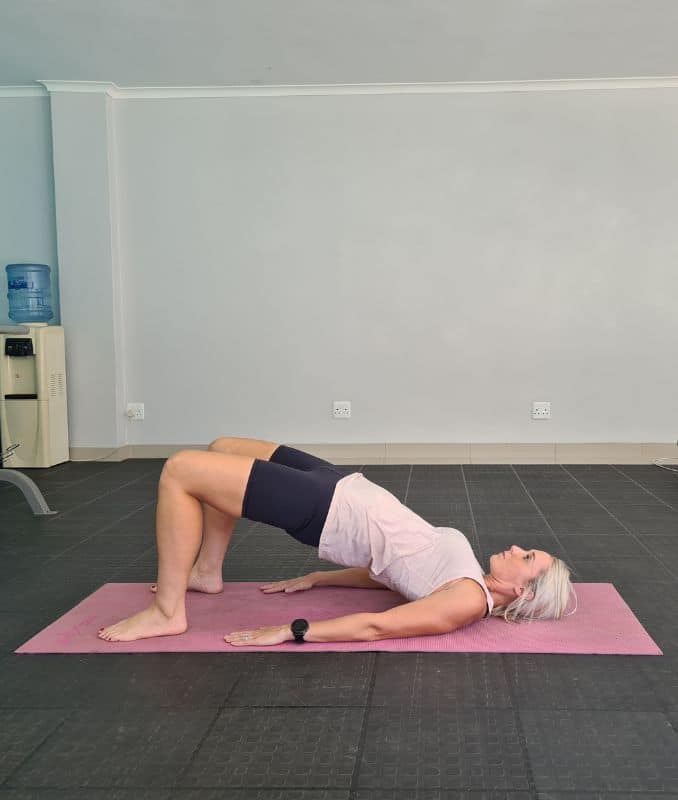
- Lie on your back with your knees bent and your feet flat on the floor, relaxing your upper body.
- Extend your arms out at your side.
- Engage your pelvic muscles as if stopping the flow of urine.
- Hold for a few seconds, then relax.
- Maintain good alignment with your head, shoulders, hips, and then knees.
- Hold this position for several deep belly breaths, in through your nose and out through your mouth.
- Relax and return to the starting position.
These exercises help prevent urinary incontinence and rebuild muscle tone after pregnancy [1] and delivery.
Target: Pelvic floor, bladder control.
9 Things to Remember When Exercising After a C-Section
- It’s fine to do pelvic tilting exercises, provided you don’t experience any numbness or tingling around your belly button or scar.
- If you have any concerns about exercising after a c section, please contact your primary medical provider.
- Trying to stay mobile and routinely performing pelvic tilting and pelvic floor exercises will help speed up your c section recovery time and allow you to be more active much sooner.
- After a c section delivery, doctors recommend that you wait 8 – 10 weeks before doing any formal or more intense exercise. This will depend on your fitness level before the c section and how you have recovered from the c section. Consult your primary medical provider on what exercise intensity is best for you at this time.
- Avoiding movements that may irritate your scar or abdominal area postoperative is crucial.
- Rising from the bed, walking downstairs, and lifting heavy objects are all everyday activities that require close attention.
- When rising, use your arms to avoid stressing your weakened back and abdominal muscles, which are most vulnerable when standing. Always avoid a full movement from lying or sitting to standing. Rather, break the movement down into three parts.
- Working your stomach muscles requires tilting the pelvis backward and pulling the muscles in tightly throughout the entire exercise.
- Pelvic tilting exercises are not the same as pelvic floor exercises but can be performed simultaneously with a bit of practice.
Exercises to Avoid After a C-Section
Sit-ups, crunches, and curl-ups are a hard no until your abdominal muscles and connective tissue have healed, especially if you have diastasis recti (abdominal separation) [3].
Engaging in strenuous exercise after a c-section prematurely can exacerbate abdominal separation or impede healing.
Instead, focus on low-impact exercises like walking or swimming, which gently engage your body without straining the core.
Avoid full sit-to-stand movements in one go. Use your arms and upper body to assist, and break the motion into manageable parts to protect healing tissues.
When Can You Start Exercising After a C-Section?
Experts like Jago Holmes and Carmen Bott emphasize that exercising after having a c-section should be paced and strategic:
- Begin breathing exercises, pelvic tilts, and pelvic floor exercises a few days post-delivery—only if you’re not in pain and have doctor’s clearance.
- More intense workouts should wait until the six-week mark, or when your health provider gives the green light.
- If you’ve had complications, poor core strength, or an emergency cesarean section, healing may take a few months.
Insights from the Experts: What the Pros Say
- Prioritize core conditioning over cardio when trying to lose baby weight.
- Rebuild muscle tone with low-impact exercise and stability movements.
- Avoid overtraining—your body needs care and gradual progression.
- Your flexibility and posture may change after pregnancy—acknowledge it, and adapt your form accordingly.
“Too often, women push for results with high-impact activity too soon. Respect the process. Healing matters just as much as hustle.” – Carmen Bott.
Red Flags: When to Stop or Delay Exercise
Immediately stop and consult a physical therapist or your doctor if you experience:
- Pain or swelling near the incision site
- Bulging at the abdominal wall
- Urinary leakage that worsens
- Sharp pelvic pain
From Recovery to Resilience: Returning to Regular Exercise
As your body strengthens, gradually increase activity:
- Add walking sessions with the baby in a stroller.
- Use light resistance bands to enhance core engagement.
- Eventually, progress to full-body low-impact exercises and bodyweight routines.
Listen to your body. When you feel ready, and you’ve been fully healed, regular exercise can become a rejuvenating part of your new normal.
Final Thoughts: Honor Your Journey
Recovering from a C-section is a unique physical and emotional journey.
With the right exercises, smart timing, and a bit of self-compassion, you can safely transition from healing to high-performing on your terms.
Remember: Start slow. Build strong. Stay consistent. And always get your doctor’s approval before diving into any new routine.
Discover Advanced 10 Gentle Yoga Poses for a Strong Pelvic Floor and take control of your core strength, balance, and inner stability. Whether you’re recovering, maintaining, or enhancing, these mindful movements are designed to support your body gently and effectively.
Frequently Asked Questions
When can I start exercising after a C-section?
With your doctor’s approval and if you’re pain-free, you can start gentle exercises like pelvic tilts within a few days postpartum. Wait at least 6–8 weeks before more intense workouts.
What exercises should I avoid after a C-section?
Avoid sit-ups, crunches, and high-impact movements until your abdominal muscles and connective tissue fully heal, especially if you have diastasis recti.
Can pelvic floor exercises help after a C-section?
Yes. Pelvic floor exercises (Kegels) can restore bladder control, improve core stability, and prevent urinary incontinence.
How do I know I’m ready to return to exercise?
If your incision site is healed, you have no pain, and your doctor gives the green light, you can gradually start low-impact workouts like walking or swimming.