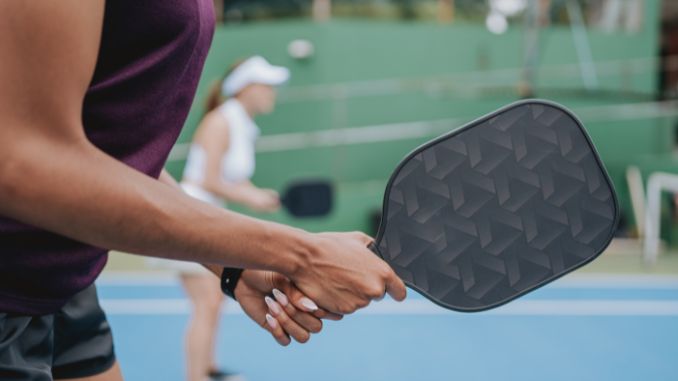
Pickleball is growing fast, and with more time on the court, many players start to notice forearm tightness, soreness after play, or early signs of lateral elbow irritation [3] often called “pickleball elbow.”
The encouraging part is that these symptoms often improve with early attention and smart load management. A few smart adjustments to how you play, combined with simple recovery habits, may help reduce unnecessary strain and lower the risk of persistent elbow symptoms. [2]
👉 Keep reading, your forearms will thank you.
Why Can Pickleball Elbow Develop
In many paddle and racket sport players, elbow discomfort does not come from one major injury [4]. More often, it develops gradually from repeated loading over time.
Common contributors may include:
- Frequent gripping of the paddle
- Repeated wrist extension and forearm loading during shots
- Doing too much, too soon, without enough recovery
Over time, repeated loading can irritate the tendons around the outer elbow and forearm, especially if workload, recovery, and technique are not well balanced.
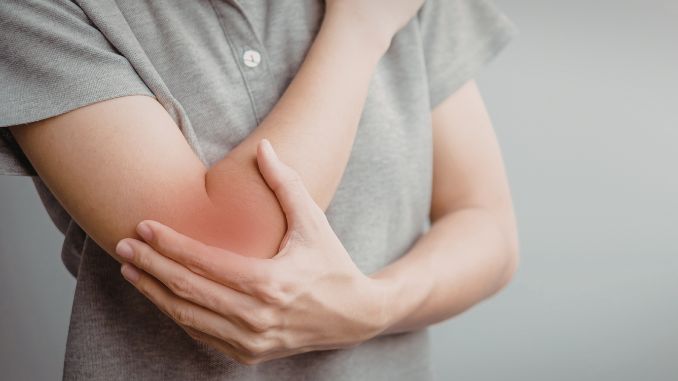
Early Signs to Pay Attention To
Catching symptoms early can make a big difference. Some common early signs may include:
- Forearm tightness or fatigue during or after play.
- Mild discomfort when gripping the paddle.
- Stiffness in the wrist or elbow.
- Reduced grip strength or control during shots.
These symptoms do not always become long-term problems, but ignoring them can make it harder to settle things down later.
The Goal: Keep Your Arm Strong, Tolerant, and Ready to Play
Preventing elbow irritation is usually not about stopping activity altogether. It is more about managing stress on the arm so your tissues can tolerate play more comfortably.
Helpful goals include:
- Maintaining forearm strength and resilience.
- Reducing unnecessary strain during play.
- Improving recovery between sessions.
- Preserving grip strength, control, and shot power.
👉 There’s one simple habit below that can make a big difference.
3 Key Strategies That May Help
1. Use a Relaxed, Efficient Grip
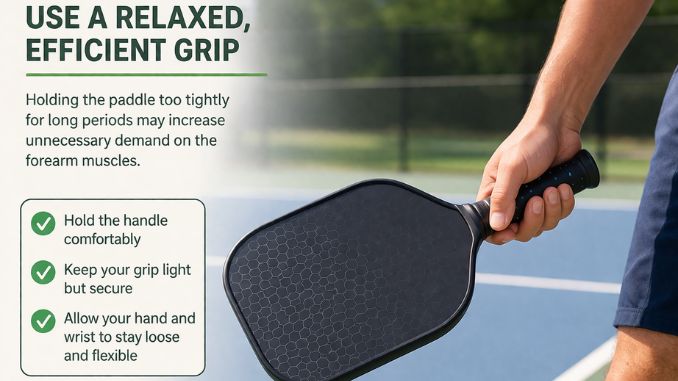
Holding the paddle too tightly for long periods may increase strain on the wrist extensor tendons and forearm muscles.
Try this instead:
- Keep your grip relaxed between shots.
- Tighten only as needed at contact.
- Avoid constant tension in your hand and forearm.
Think of it this way: relaxed between shots, firm only at contact.
2. Take Care of Your Forearms Outside the Court
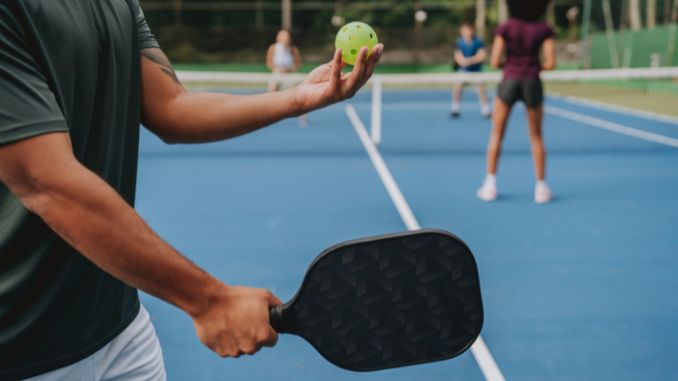
Your forearms work hard during pickleball, so regular recovery habits can help support how they feel and function.
Simple options include:
- A brief warm-up before play. [1]
- Gentle wrist and forearm mobility and light strengthening work.
- Light stretching or mobility work after activity.
- Avoiding sudden spikes in playing volume or intensity.
These habits are not a guarantee against pain, but they may help you feel better prepared and recover more comfortably.
3. Add a Simple Recovery Routine
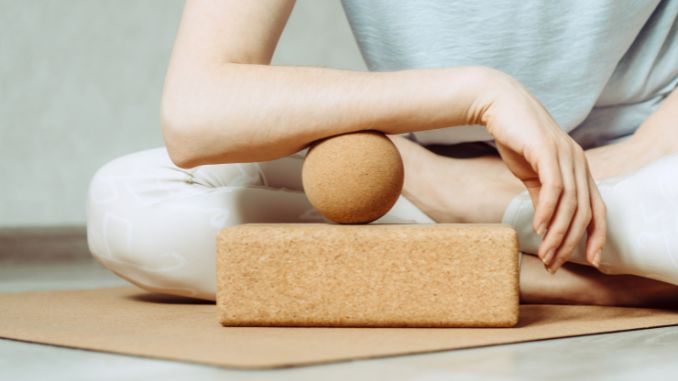
Foam rolling or using a ball on the forearm may help reduce muscle tightness and improve short-term comfort and mobility
A quick routine:
- Place your forearm on a foam roller or massage ball.
- Roll slowly from wrist to elbow.
- Pause gently on tender areas for 20 to 30 seconds.
- Continue for 1 to 2 minutes per arm.
This can be done after playing or on rest days as part of a broader recovery routine.
👉 Don’t stop here! The best tip is still coming up.
Bonus Tip: Do Not Wait Until It Gets Worse
One of the most helpful things you can do is respond early to tightness or mild discomfort instead of waiting for pain to build up.
That may mean:
- Starting recovery habits early.
- Adjusting your workload when symptoms show up.
- Give your arm time to recover between harder sessions.
In many cases, early load management is easier than dealing with a more stubborn problem later.
Keep Playing With Less Frustration
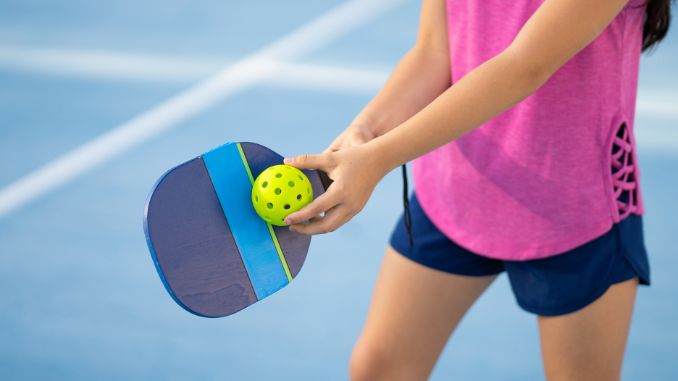
Pickleball should feel challenging and fun, not like a constant battle with your forearm.
By improving your grip habits, taking better care of your forearms, and using a simple recovery routine, you may be able to:
- Stay more consistent on the court.
- Maintain better comfort, control, and confidence.
- Reduce the risk of ongoing elbow symptoms.
Want a Done-for-You Routine?
If you want an easy follow-along option, check out our Free Pickleball Foam Rolling Guide, which includes:
- A guided video routine.
- A simple checklist you can use anytime.
It’s an easy way to keep your arm feeling great and your game strong.
FAQs:
1 – What is pickleball elbow?
Pickleball elbow is a form of lateral elbow tendinopathy that affects the outside of the elbow, which often develops from repeated gripping, wrist use, and forearm loading over time.
2- What are the early signs of pickleball elbow?
Common early signs include forearm tightness, soreness after play, mild pain when gripping the paddle, and stiffness in the wrist or elbow.
3- Can grip tension make elbow symptoms worse?
Yes. Holding the paddle too tightly for long periods may increase strain on the forearm muscles and contribute to elbow irritation.