

Dealing with shoulder subluxation can be frustrating, right? Trust me, I’ve been there—or I’ve helped plenty of people who have. When your shoulder joint slips out of place, it feels weak, painful, and just plain annoying. The good news? You can get stronger and feel more stable with the right exercises.
Dr. Sarah Thompson, a leading orthopedic specialist, often tells her patients,
“The key to managing shoulder subluxation is building stability through targeted exercises. Strengthening the muscles around your shoulder improves alignment and reduces the chances of recurrence. Focus on consistency and proper form, and your shoulder will thank you.”
Here’s a list of exercises that helped my clients regain strength and stability—plus a few of Dr. Thompson’s favorites.
1. Pendulum Swings
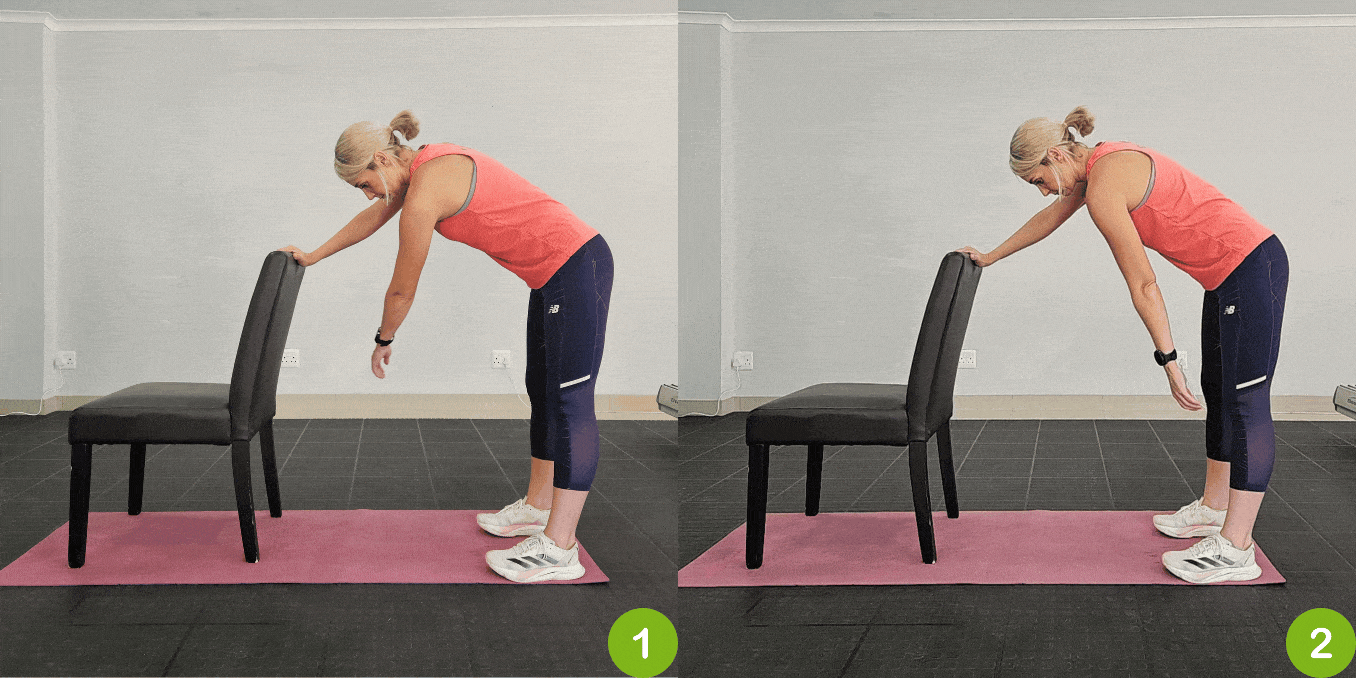
- Begin in an upright standing position in front of a chair with your feet shoulder-width apart, maintaining good alignment with your head, shoulders, hips, and legs.
- Place one hand at the back of the chair, and adjust your distance from the chair so that your back is comfortably parallel to the floor.
- Engage your core and hinge through your hips to bend your upper body forward with one arm hanging in front of you.
- Swing your arm from side to side or back and forth.
- Relax and repeat the movement on the opposite arm.
- Perform 10–15 repetitions for 2–3 sets, resting for 30 seconds between sets.
2. 90-Degree Shoulder Abduction Hold (With Resistance Band)
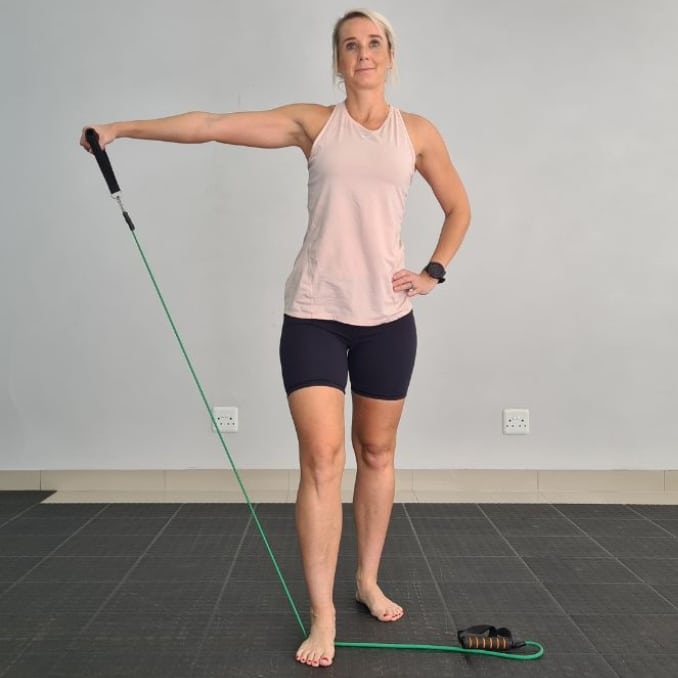
- Begin in an upright standing position with your feet hip-width apart, maintaining good alignment with your head, shoulders, hips, and legs.
- Step one foot at the center of a resistance band while holding one end of the band with one arm.
- Place your opposite hand on your hips.
- Engage your core and lift the arm at shoulder height with your arm raised out to the side at a 90-degree angle.
- Hold for 10–15 seconds, and repeat for 2–3 sets on each side, focusing on keeping your shoulder down and stable.
3. External Rotation with Resistance Band
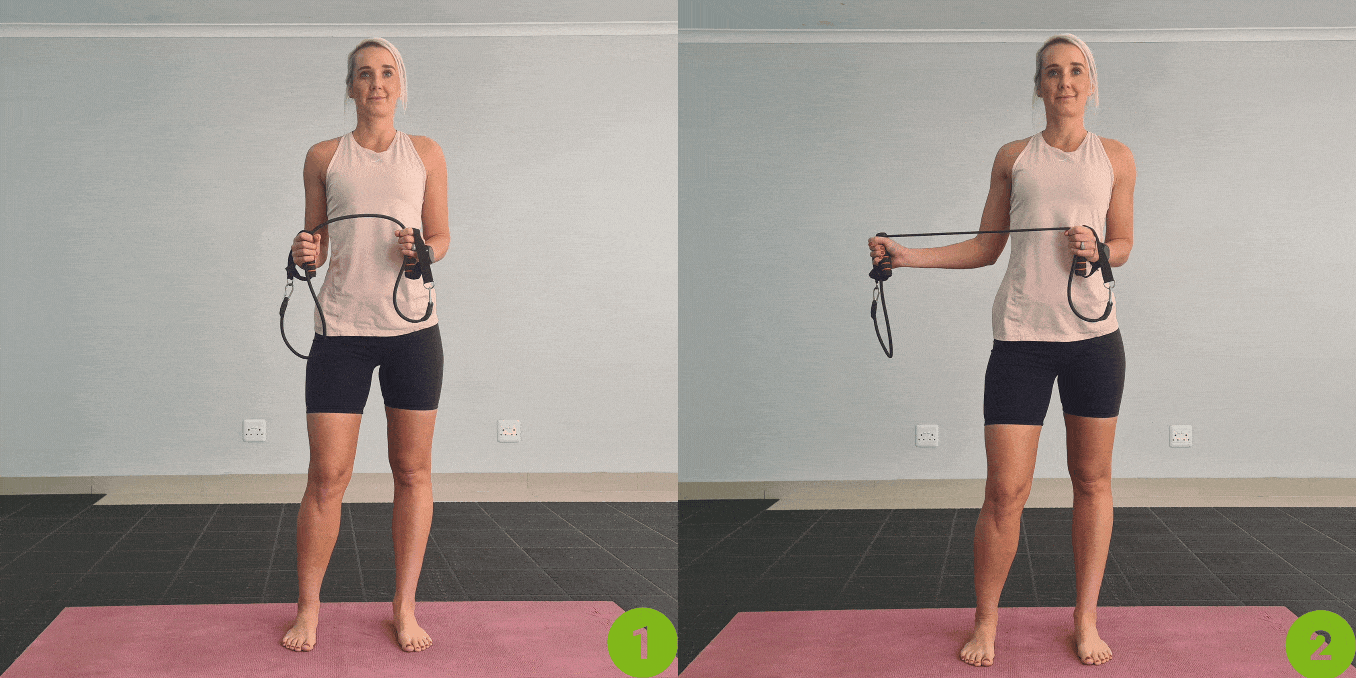
- Begin in an upright standing position with your feet shoulder-width apart, maintaining good alignment with your head, shoulders, hips and legs.
- Hold and fold the resistance band leaving a gap on the center.
- Bend your elbows at waist height.
- Engage your core and open one arm to the side, creating resistance to one end of the band while keeping your elbow tucked.
- Return to the starting position and repeat the movement with 10 repetitions.
- Repeat the movement on the opposite side.
4. Internal Rotation with Resistance Band
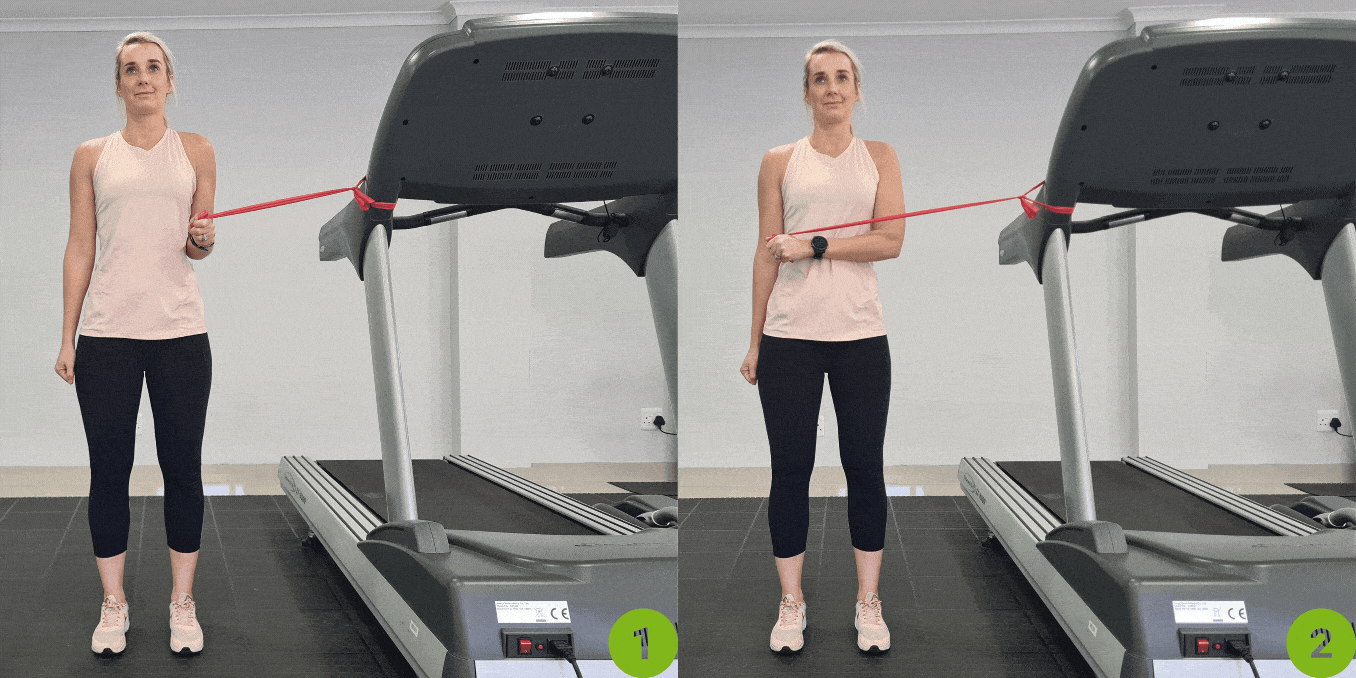
- Begin in an upright standing position with your feet hip-width apart, maintaining good alignment with your head, shoulders, hips, and hips.
- Tie one end of the resistance band on a sturdy beam.
- Hold the other end of the resistance band with your left hand, while your right hand hangs on the side. Bend your left elbow at waist height.
- Engage your core and pull the resistance band inward towards your right arm creating a resistance to one end of the band while keeping your elbow tucked.
- Perform 10–15 repetitions for 2–3 sets, resting for 30 seconds between sets.
5. Scapular Retraction (Band Rows)

- Begin in an upright standing position with your feet shoulder-width apart, maintaining good alignment with your head, shoulders, hips, and legs.
- Hold and fold the resistance band leaving a gap on the center.
- Extend both arms forward.
- Engage your core.
- Bend your elbows as you squeeze your shoulder blades together while pulling the band toward you.
- Hold the position for a couple of seconds then return to the starting position.
- Repeat the movement with 10 repetitions.
5. Wall Angels
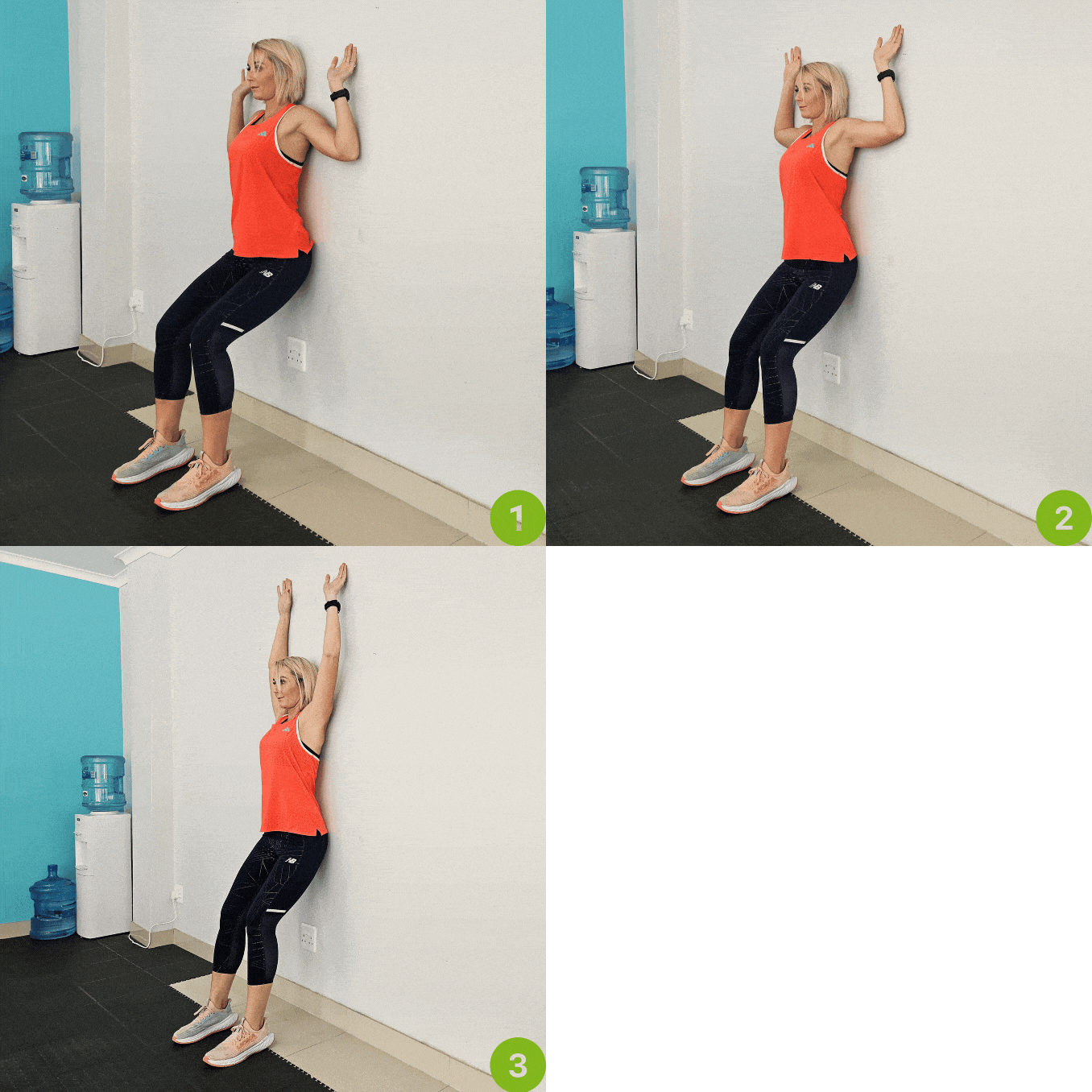
- Begin in an upright standing position with your back against the wall with your feet hip-width apart, maintaining good alignment with your head, shoulders, hips, and legs.
- Move your feet about 6–12 inches away from the wall to increase the angle of your body.
- Engage your core.
- Raise your arms, bending your elbows until your hands are just above your shoulders to form a “W” shape with the backs of your hands against the wall, then slowly slide your arms up, forming a “V” shape.
- Keep your shoulders up and back and your lower back pressed against the wall.
- Slide your arms back down to the starting position and repeat the movement for 10-15 repetitions for 2–3 sets, resting for 30 seconds between sets.
6. Push-Ups (Modified or Wall)
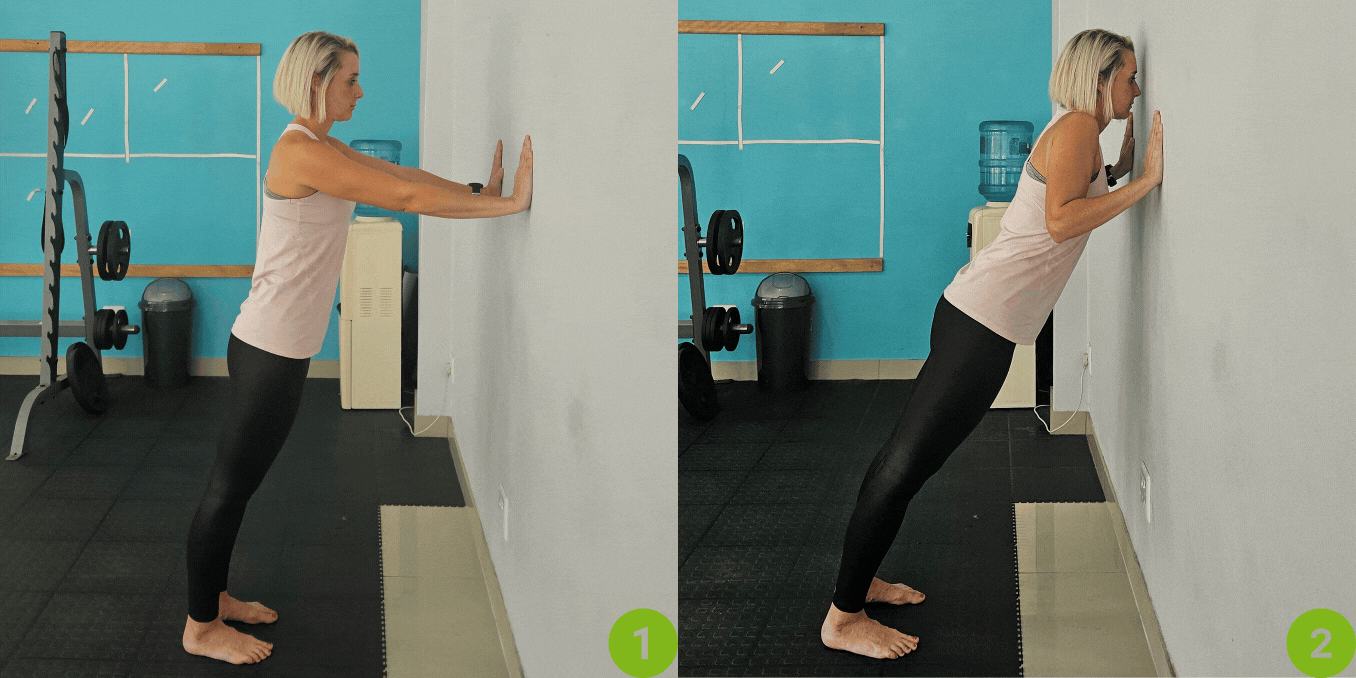
- Begin in an upright standing position in front of a wall with your feet hip-width apart, and maintain good alignment with your head, shoulders, hips, and legs.
- Extend and press both hands into the wall and move back to increase the angle of your body.
- Engage your core and lower your upper body towards the wall, doing a push-up movement.
- Repeat the movement with 10 repetitions.
Once comfortable, progress from wall push-ups to modified push-ups on a sturdy surface like a bench.
How to Do Shoulder Subluxation Exercises
Start slow. Don’t jump into heavy movements right away. Focus on building control first, especially with smaller stabilizing muscles.
Here’s how to approach it:
- Warm up first – Get your blood flowing with 5-10 minutes of light cardio.
- Use light resistance – Resistance bands and light weights [1] are your best friends here.
- Focus on form – Keep the movement slow and controlled. It’s not a race.
If any exercise causes sharp pain, stop immediately. Slight discomfort is normal at first but listen to your body.
Why Regular Exercise Matters for Shoulder Subluxation
Rehab exercises are a game-changer for shoulder subluxation [2].They strengthen the muscles around your shoulder joint and improve stability. More strength = fewer subluxations.
But consistency is key. Doing these exercises regularly not only reduces the risk of further injury but also boosts mobility and control over your shoulder. You’ll feel more confident in your movement—whether you’re lifting weights, reaching for groceries, or throwing a ball.
My Advice for Long-Term Shoulder Health
- Be patient—Progress takes time.
- Stay consistent—It’s better to do a little every day than a lot once a week.
- Listen to your body—It’s okay to push yourself but know your limits.
If you stay consistent with these exercises for shoulder subluxation, you’ll start noticing real improvements. Less pain, more strength, and a lot more confidence in your shoulder’s ability to stay put.
Want to avoid surgery and take control of your shoulder health? Start with these exercises. Stick with it—you’ve got this!
Conclusion
Recovering from shoulder subluxation [3] takes time, patience, and consistency. By following an exercise program tailored to your needs, focusing on shoulder flexion, external rotation, rotator cuff and strengthening exercises, you can regain stability and reduce the risk of future dislocations.
Always listen to your body, progress slowly, and seek guidance from a physical therapist to ensure safe and effective movement. With the right approach, you’ll not only heal but also strengthen your shoulder for long-term resilience and stability.
Save yourself money and frustration – get The Frozen Shoulder Recovery Program today and restore pain-free movement!

Frequently Asked Questions
How do you fix a shoulder subluxation?
Treatments include rest, wearing a sling, physical therapy to strengthen the shoulder muscles, and avoiding activities that cause strain. Severe cases may require surgery.
Can exercise fix subluxation?
Yes, targeted strengthening exercises for the rotator cuff and surrounding muscles can improve stability and reduce the risk of future subluxations.
What exercises should you avoid with a shoulder subluxation?
Avoid overhead presses, heavy lifting, contact sports, and exercises that cause pain or instability in the shoulder joint.
Can a subluxation fix itself?
In some cases, the shoulder can slide back into place on its own, but proper rehabilitation is essential to prevent recurrence.