
Knee pain is a common frustration, especially for those focused on building lower body strength. One frequent source? A leg press injury. The leg press machine is a popular gym tool that lets you push impressive weight while targeting key muscle groups. However, without proper form or manageable loads, this exercise can put excessive strain on your knees, leading to pain, discomfort, or even serious injuries. Prioritize controlled movements and listen to your body to prevent issues while maximizing gains.
I’ve been close to that breaking point myself. One day, I went too heavy on the leg press, felt a strange “pop” in my knee, and had to step back from my routine. That experience taught me some hard but valuable lessons about safe training and smarter ways to build strength specially on the knees. Today, I’ll share the truth about leg press-related knee injuries, how to protect your joints, and the best alternatives to keep your legs strong and your knees happy.
What Are Leg Press Injuries?
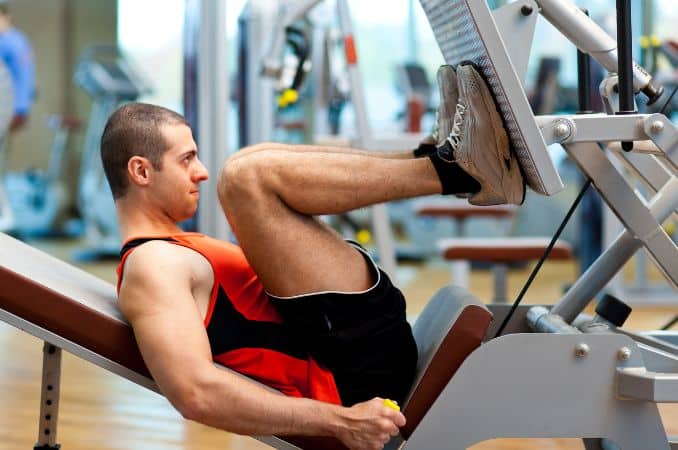
Before we dive into the specifics of preventing knee pain and injury, let’s start with the basics: what exactly are leg press injuries, and why are they so common?
Leg press injuries often arise from improper technique, using excessive weight, or repetitive strain during the leg press exercise. Among these injuries, knee pain is particularly common and frustrating, as the knee joint is especially vulnerable to the stress caused by improper leg press movement. This can lead to inflammation, discomfort, or even long-term damage if not addressed.
The leg press machine can create a false sense of security—after all, you’re seated and supported throughout the leg press exercise. However, without proper control and technique during each leg press movement, the knees can bear an excessive load, straining the ligaments, tendons, and muscles that stabilize the joint.
To prevent knee pain and safeguard against injuries like a leg press injury, it’s crucial to understand how the knee joint works and the muscles that provide support. Let’s explore these fundamentals to help you move safely and effectively.
Understanding the Knee Joints and Associated Muscles
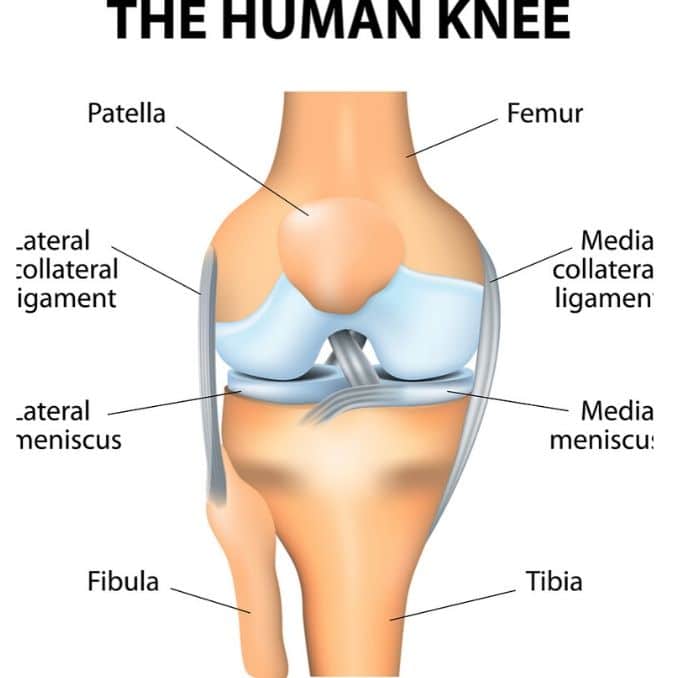
The knee [1] is one of the most hardworking joints in your body, but it’s also one of the most vulnerable—especially during exercises like the leg press.
The knee joint acts as a hinge, allowing movement between the thigh bone (femur), shin bone (tibia), and kneecap (patella). It’s stabilized by ligaments, cushioned by cartilage, and powered by surrounding same muscle groups like the quadriceps, hamstrings, glutes, and calves.
These muscles and tissues support your knee during leg press exercises. However, if one muscle group is weak or imbalanced, the extra strain falls on the joint, increasing the risk of injury.
Now that we’ve explored how the knee functions, let’s dive into why knee pain is so common in leg press exercises and why it’s important to address it early.
The Importance of Addressing and Preventing Knee Pain in Leg Press Exercises
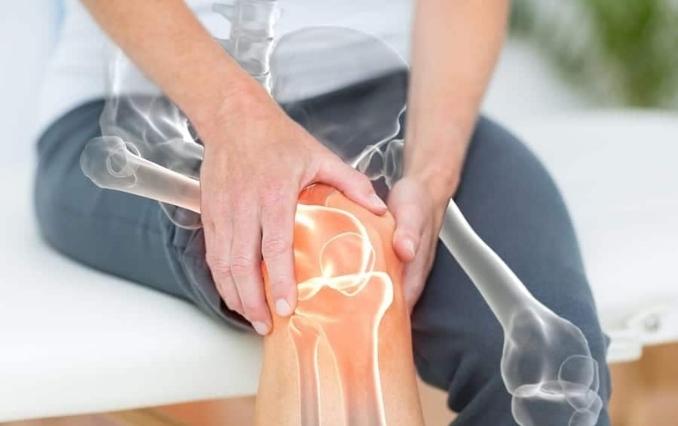
Knee pain isn’t just a temporary setback—it’s often a warning sign that something is wrong. Ignoring it can lead to chronic injuries or joint issues affecting your workouts and daily life.
Addressing knee pain is critical because the knee absorbs much force during leg presses. This force becomes harmful when improper form, improper alignment, or heavy weights come into play. By preventing pain early, you can avoid injuries like ligament sprains or cartilage damage and keep your knees healthy in the long run.
But what actually causes knee pain during the leg press? Let’s look at the most common culprits.
Causes of Knee Pain Resulting from a Leg Press Injury During Leg Press Exercises
Knee pain during the leg press often stems from preventable mistakes. Here are some common causes:
- Improper Foot Placement: When your feet are placed too low on the platform, your knees take on most of the load instead of your glutes and hamstrings.
- Overextending the Knees: Locking out your knees at the top of the movement puts immense stress on the ligaments, increasing injury risk.
- Lifting Heavier Weights: Too many plates too quickly force your body to compensate with poor form, which overworks your knees.
- Lack of Warm-Up: Tight or unprepared muscles leave your knees vulnerable to strain.
- Repetitive Overuse: Using the leg press too frequently without proper recovery can lead to overuse injuries like tendinitis.
Now that we understand the causes let’s examine the specific injuries that can result if these issues aren’t addressed.
Common Knee Injuries and Conditions Related to Leg Press Exercises
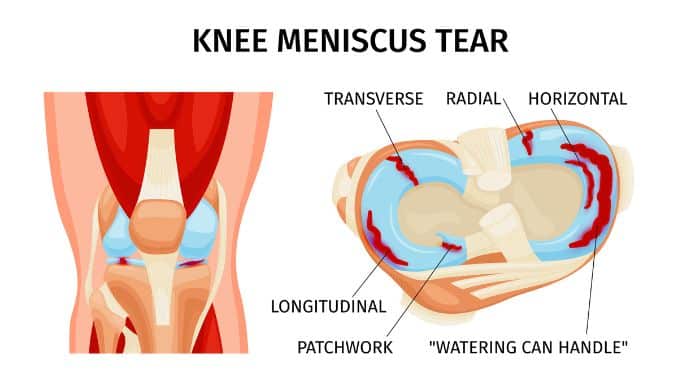
If the causes of knee pain are ignored, they can lead to more serious injuries, such as:
- Patellar Tendinitis (Jumper’s Knee) [2]: Overuse or poor form can inflame the tendon connecting your kneecap to your shin, leading to sharp pain during movement.
- Ligament Sprains or Tears: Locking or overloading your knees can strain or tear ligaments like the ACL or MCL.
- Meniscus Tears [3]: This cartilage cushions your knee joint. Heavy weights or sudden jerky movements can compress it unnaturally, leading to tears.
- Patellofemoral Pain Syndrome (Runner’s Knee): Pain around the kneecap caused by improper joint tracking during exercise.
The good news is that a leg press injury can often be avoided with the right technique and precautions. Let’s delve into how to protect your knees and prevent injuries while performing leg presses effectively.
How to Prevent Leg Press Injuries
Preventing knee pain and injuries starts with good habits. Here’s how to protect your joints:
1. Master Proper Form
Your form is the foundation of a safe leg press. Focus on these key points:
- Keep your feet hip-width apart or slightly wider on the platform: Position your feet hip-width apart or slightly wider to maintain alignment and evenly distribute weight. This ensures proper muscle engagement while minimizing stress on your knees and joints.
- Avoid locking your knees at the top of the movement—keep them “soft.”: Avoid locking your knees at the top of the movement—keep them soft.
Locking can place extreme stress on your knee joint, potentially leading to severe injuries like tearing the ACL, capsule, or meniscus,” warns Dr. David Abbasi, an orthopedic surgeon specializing in sports medicine.
- Keep your back flat against the pad and your hips stable on the seat: Keep your back flat against the pad and your hips stable on the seat. This protects your back and spine, prevents twisting or arching, and ensures the exercise targets your legs effectively.
2. Warm Up and Stretch
A proper warm-up activates your muscles and reduces strain on your joints.
- Leg swings loosen up your hips.
- Bodyweight squats prime your quads and glutes.
- Lunges with a twist improve flexibility and mobility.
3. Start Light and Progress Gradually
Stacking plates and showing off is tempting, but that often leads to injury. Start with manageable weights and focus on perfecting your form before increasing the load.
Once you’ve built a strong foundation, you might consider alternatives to the leg press to reduce strain and improve overall strength.
Safer Alternatives to the Leg Press Machine
Ready to ditch the leg press? These exercises are functional, safe, and just as effective at building lower body strength.
1. Goblet Squats
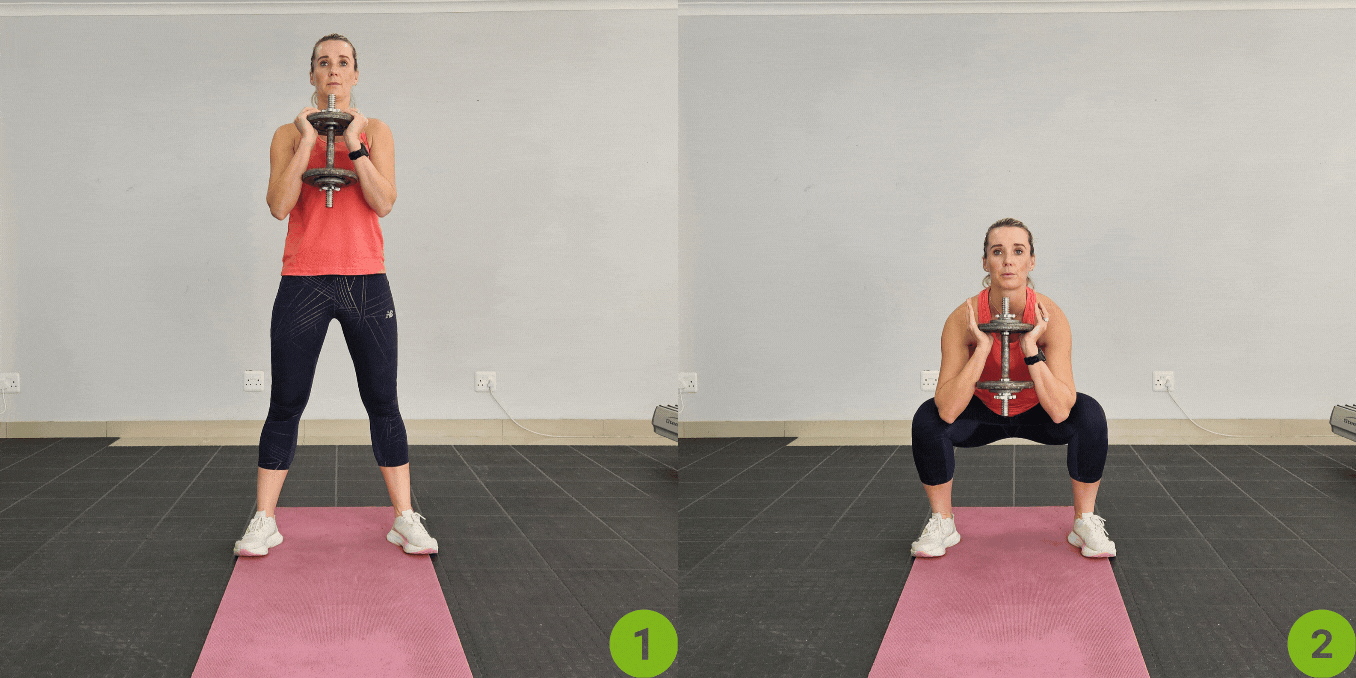
- Begin in an upright standing position with your feet shoulder-width apart, maintaining good alignment with your head, shoulders, hips, and legs. Hold a dumbbell with both hands at chest height.
- Engage your core, bend your knees, and hinge at your hips to lower into a deep squat, then push through your heels to return to standing and repeat. Start with 1 set of 10 repetitions.
2. Lateral Lunge
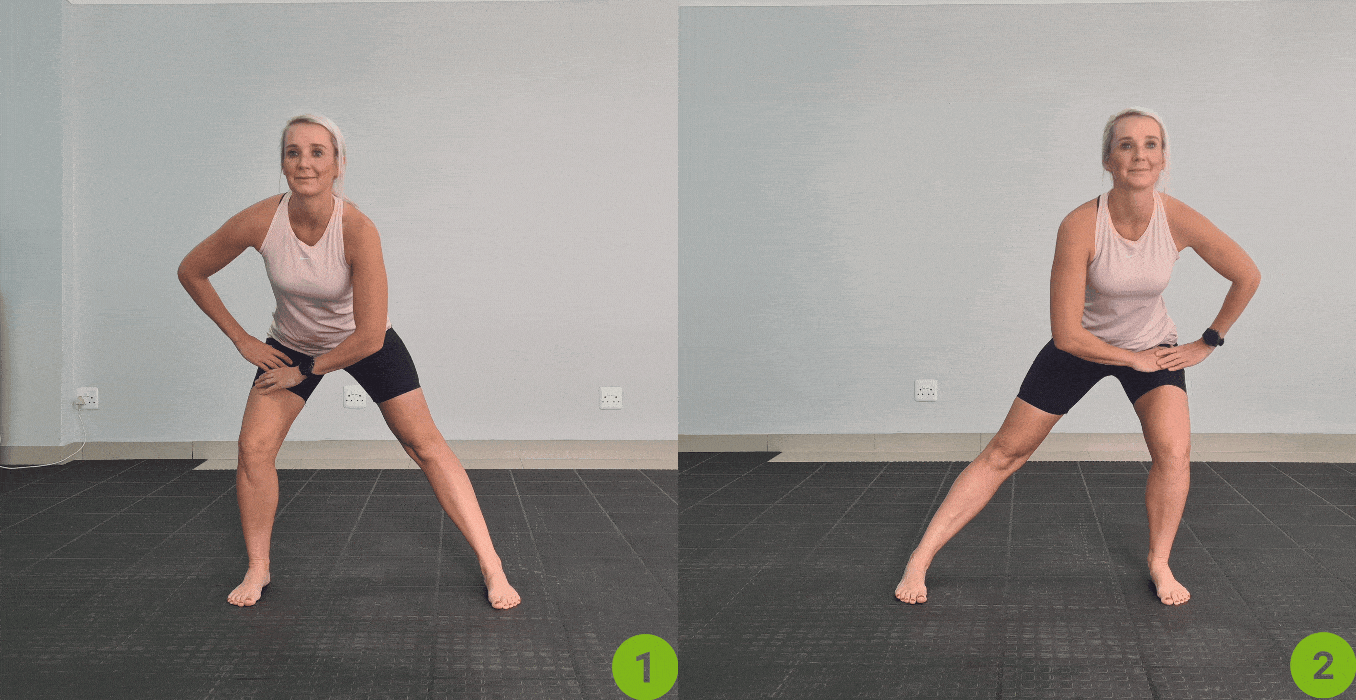
- Begin in an upright standing position with your feet shoulder-width apart, maintaining good alignment with your head, shoulders, hips, and legs. Place your hands on your thighs.
- Take one big step to the side with your one foot, then slightly bend your opposite knee and hinge your hips to lower your seat as you extend your right leg. Repeat the movement on the opposite side. Start with 1 set of 10 repetitions on each side.
3. Step-Ups
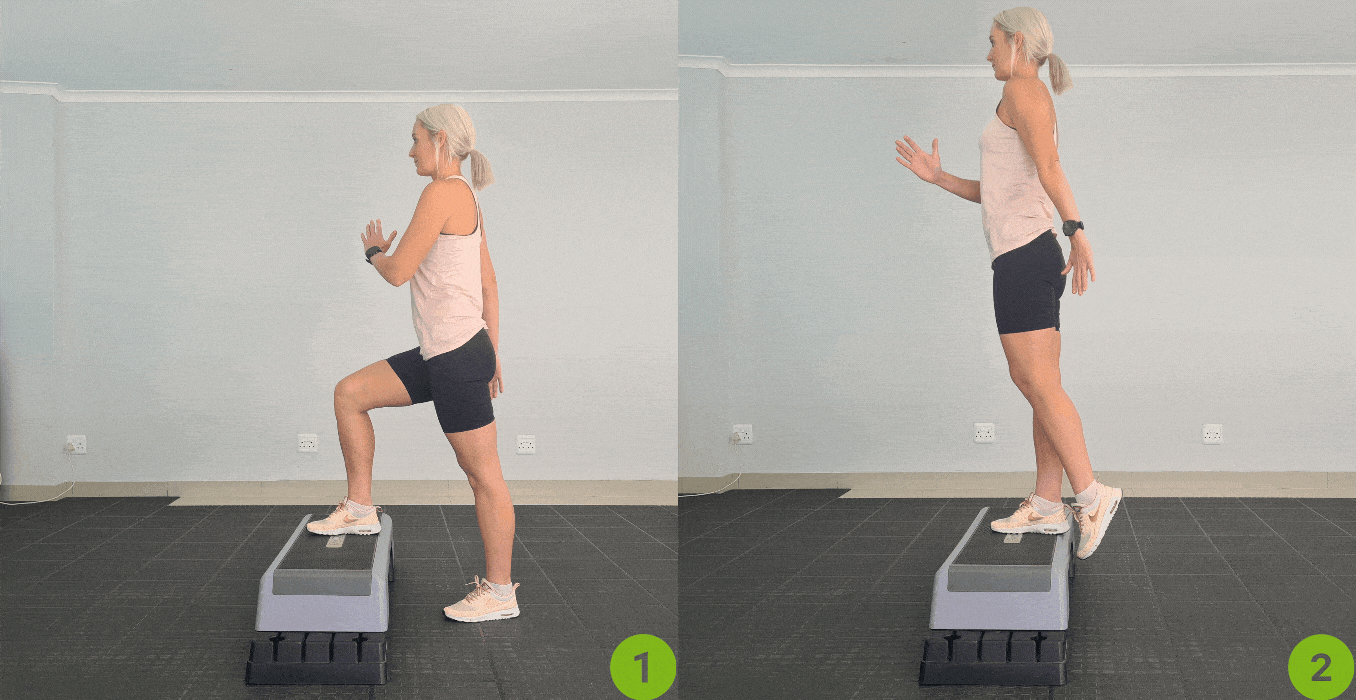
- Stand upright in front of the stairs.
- Step onto the stair with one foot, lift the other knee to hip height before lightly tapping your toes on the step, then step back down and repeat; use a higher step for added challenge as you build strength and confidence.
4. Single Leg Deadlifts
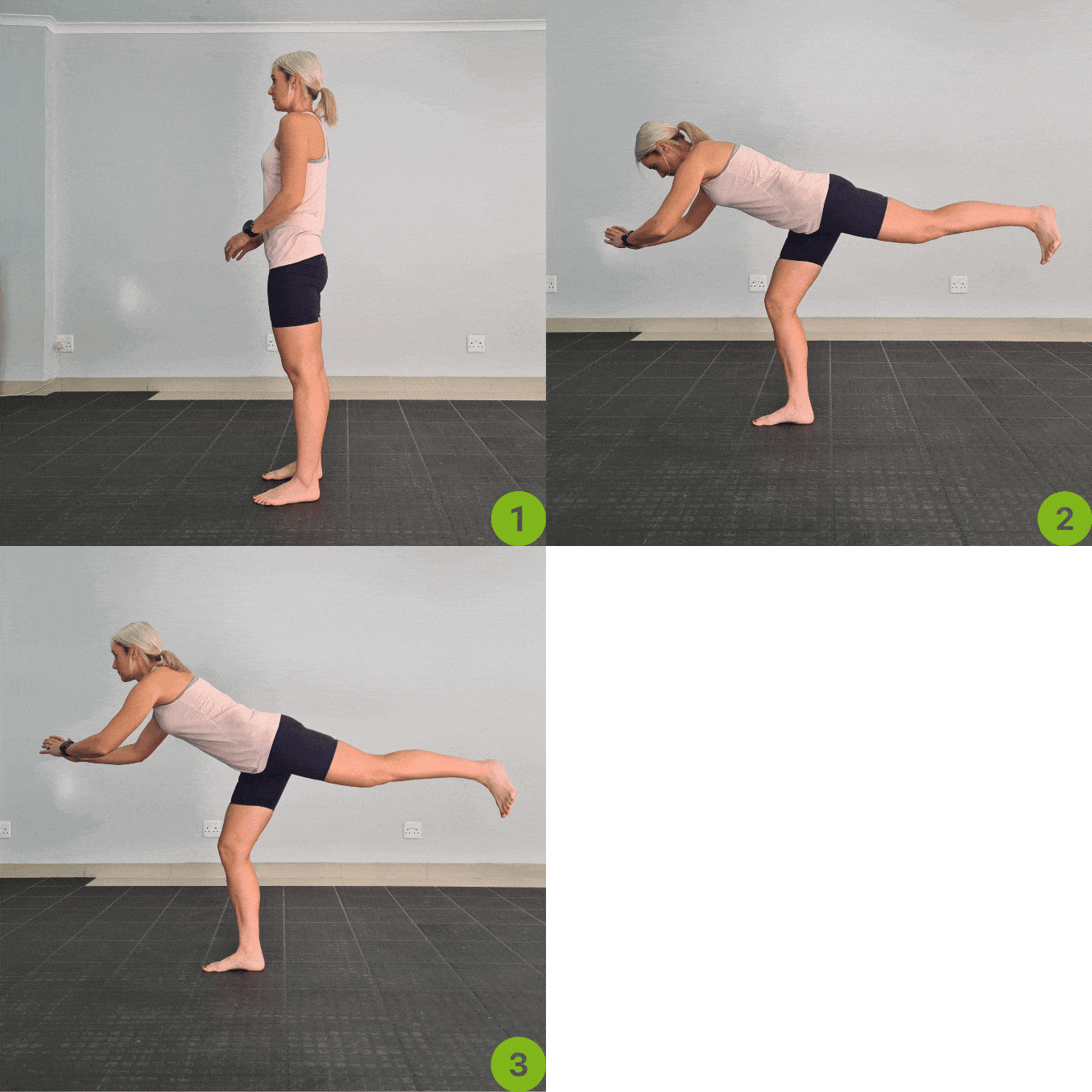
- Begin in an upright standing position with your feet shoulder-width apart, maintaining good alignment with your head, shoulders, hips, and legs. Place your hands at your sides.
- Engage your core and transfer all of your weight onto your foot. Slightly bend your supporting knee and hinge your hips, bending forward until your upper body is parallel to the floor while extending your opposite leg back.
- Return to the starting position and repeat the movement on the opposite side.
Why These Alternatives Work Better
Unlike the leg press machine, these alternatives:
- Mimic natural movement patterns, improving functional strength.
- Engage stabilizer muscles, helping with balance and injury prevention.
- Allow your joints to move freely, reducing strain and injury risk.
By switching to these exercises, you’re not just avoiding injury—you’re building strength that transfers to real-life activities.
Conclusion
Leg press injuries, particularly involving the knee, can be avoided with the right precautions. Understanding how the knee functions, recognizing common causes of discomfort, and focusing on proper form are crucial. Incorporate warm-ups and choose exercises wisely to protect your joints while progressing toward your fitness goals. Always pay attention to your body’s signals to prevent a leg press injury from derailing your workouts.
So, skip the ego lifts, embrace safer exercises like goblet squats and deadlifts, and keep your workouts pain-free. Your knees—and future self—will thank you.
Let me know which alternative works best for you or if you’ve got a leg press horror story to share. I promise not to laugh (too much).
Say goodbye to discomfort and get back to doing what you love! Knee Pain Solved offers the tools and guidance you need to conquer knee pain and regain your mobility. Start your pain-free journey today!
FAQs
How can I avoid knee pain during leg presses?
Align feet shoulder-width apart, avoid locking your knees, limit the depth of the press, and use lighter weights.
What are signs I’m overloading my knees?
Sharp pain, swelling, or difficulty controlling the weight during the exercise indicate you’re overloading.
What’s a good warm-up before leg presses?
Light cardio (e.g., cycling) and dynamic stretches like leg swings and bodyweight squats.